
Moves
Notes on packing, uprooting, and keeping pace

I’m 38 years old and I’ve moved 28 times. The first couple happened when I was less than 5 years old so we don’t have to count those. Although—to be fair—the last couple have happened with my own children under 5, so I feel like those should count twice. In any case, let’s round it down to 25. That averages to a move every 1.5 years.
Every 18 months, I pack all my belongings into cardboard boxes, buy tape and permanent markers and write FRAGILE really big across the side of the most important ones. I wrap glassware in little paper jackets and arrange them neatly in a row, some times more satisfyingly than others.
I take down all the artwork from the walls, and as they come down I notice the scuff marks in the frames from all the previous moves and the fingerprints from that one time I grabbed it with my oily fingers from the place I shouldn’t have. You don’t really notice those imperfections when they’re up on the wall.
Every 18 months, I go to the hardware store and buy caulking and white paint to cover up the holes I made when I forgot to measure twice before cutting into the drywall. In all honesty, I’ve gotten pretty good at that by now. This might feel like a brag, but I’m proud to say that I’ve always gotten my security deposit back, which —of course— goes straight into the next one, perpetually in the liminal space between landlords.
I’ve only hired a company for moves across the country (from Florida to Los Angeles in 2012 and from San Francisco to New York in 2017) or to new countries (from San Francisco to London in 2015 and then back a year later). Sometimes I only packed what fit in a suitcase (from Cuba to Costa Rica in 1995, and later from Costa Rica to Florida in 2003). But for the last 4 moves, I’ve started enlisting the help of moving companies — if you can afford it, it’s money well spent.
I know people who’ve lived their entire childhood in the same house, which might as well be a fairytale as far as I’m concerned. I can’t imagine what it feels to grow up looking at your height measurements in your bedroom‘s door frame. It’s probably wonderful.
The other day, I was talking to a colleague who moved from San Francisco, bought a house in the suburbs of New York (sight unseen), and moved their entire family there. When I asked her “how long do you think you’ll stay there?” she answered “for the rest of my life.” I can’t even.
I’ve moved so much that it’s become the first thing I say when people ask me about my upbringing.
The crazy thing is: I’m sure I’m not done moving
“The real voyage of discovery consists not in seeking new landscapes but in having new eyes.”
— Marcel Proust
When you’re always in transit, the world tends to feel like an autostereogram that, if you squint your eyes for long enough, reveals hidden patterns.
Moving highlights the impermanence of “here” and “now.” It exposes them as fleeting blankets we grab on to for faux comfort.
But the rest of the world is moving too.
Those standing still are starting to lose the grip of their comfort blankets in real time as the world changes faster than we can write dystopian fiction about it.
Anyone paying attention to AI predicted major disruption 3 years ago. “We’ll go through a few painful years” they said. Some framed it as a necessity for progress, others not so much. Well, it’s now 3 years later and we’re in pain.
There’s a sense of desperation in the air. Like the second week of COVID, when we slowly realized this wasn’t going to end any time soon. It’s now the “if you can’t beat them, join them” moment of AI adoption in the workforce and those unfamiliar with moving are falling behind.
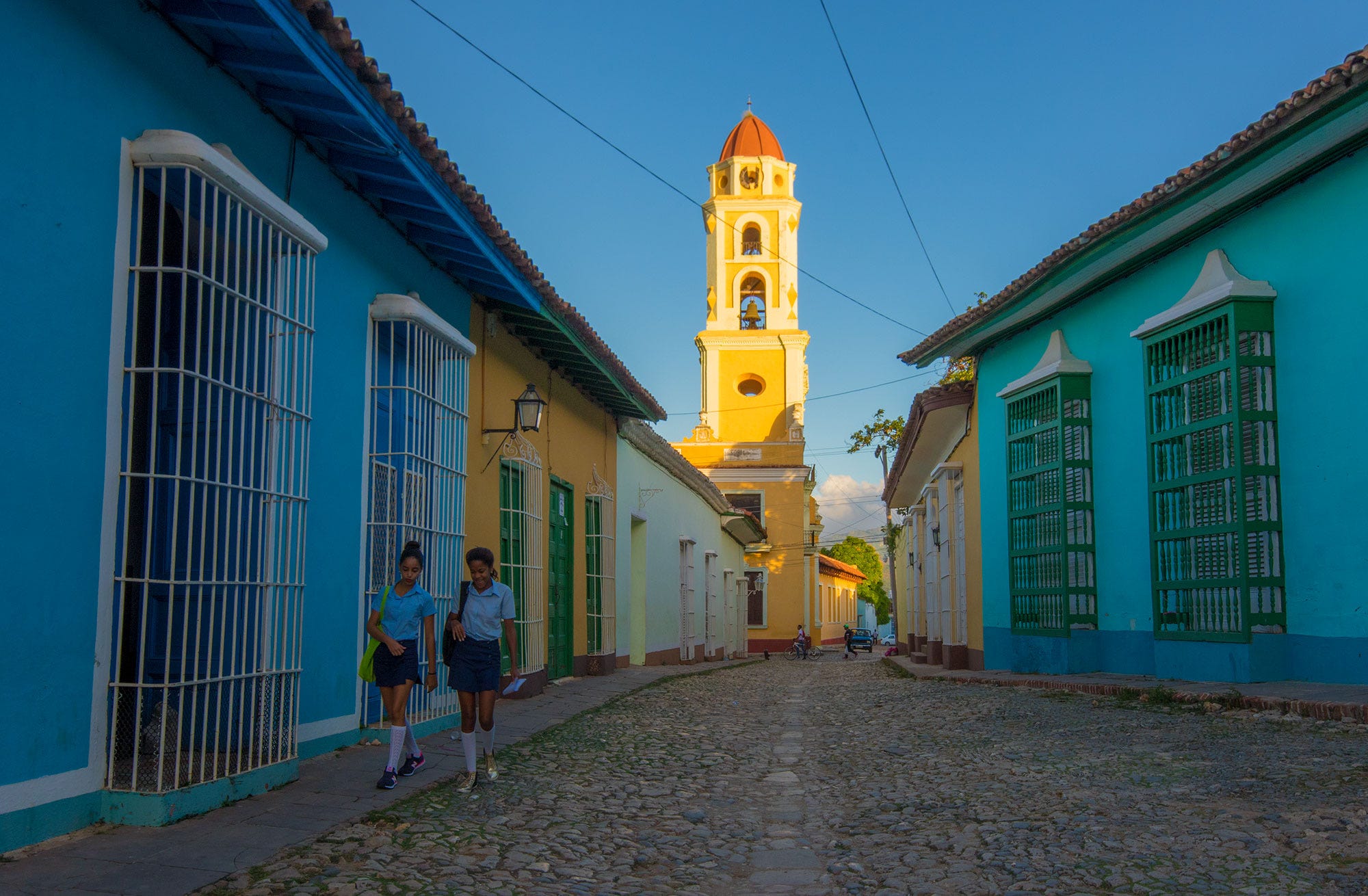
AI’s insistence for displacing white collar jobs reminds me of a trip I took back to my hometown in Cuba a few years ago. Bare with me here.
Cuba has two currencies: the Cuban peso and the Cuban dollar. Most Cuban residents get paid in pesos. However, tourists (who prop up most of the Cuban economy) can only transfer their money into Cuban dollars.
Here’s the kicker: the Cuban dollar is ~20x the value of the peso.
This means that Cubans who work in the service industry—and receive tips—end up making about 20x as those who don’t. This creates bizarro dynamics where taxi drivers are much more financially solvent than doctors. In fact, it’s quite common for a lawyer to moonlight as a server to be able to afford rent or buy toilet paper.
I wonder if something similar could happen if the omen becomes true and AI in fact replaces 40% of white collar jobs. Could it cause a resurgence in manual labor that will cause us to pay a premium for a plumber in the future like we do for a radiologist now?
This existential dread of the knowledge worker around their position in the society is commonly expressed under the framing of “what would you do in a zombie apocalypse?” This fantasy questions what we could contribute if we were reduced to our most basic survival instincts. Designers can…paint the sign of the nuclear outpost? At the core of this idea is the belief that what we do is an adornment over the truly essential necessities of day-to-day lives, and yet we’ve somehow gotten away with charging an absurd multiple of the salary of an essential worker.
Everyone I know recognizes it’s absurd. They wouldn’t dare to argue a website should cost more than a heart transplant. And yet it is.
We are moving with the times and have been rewarded for it.
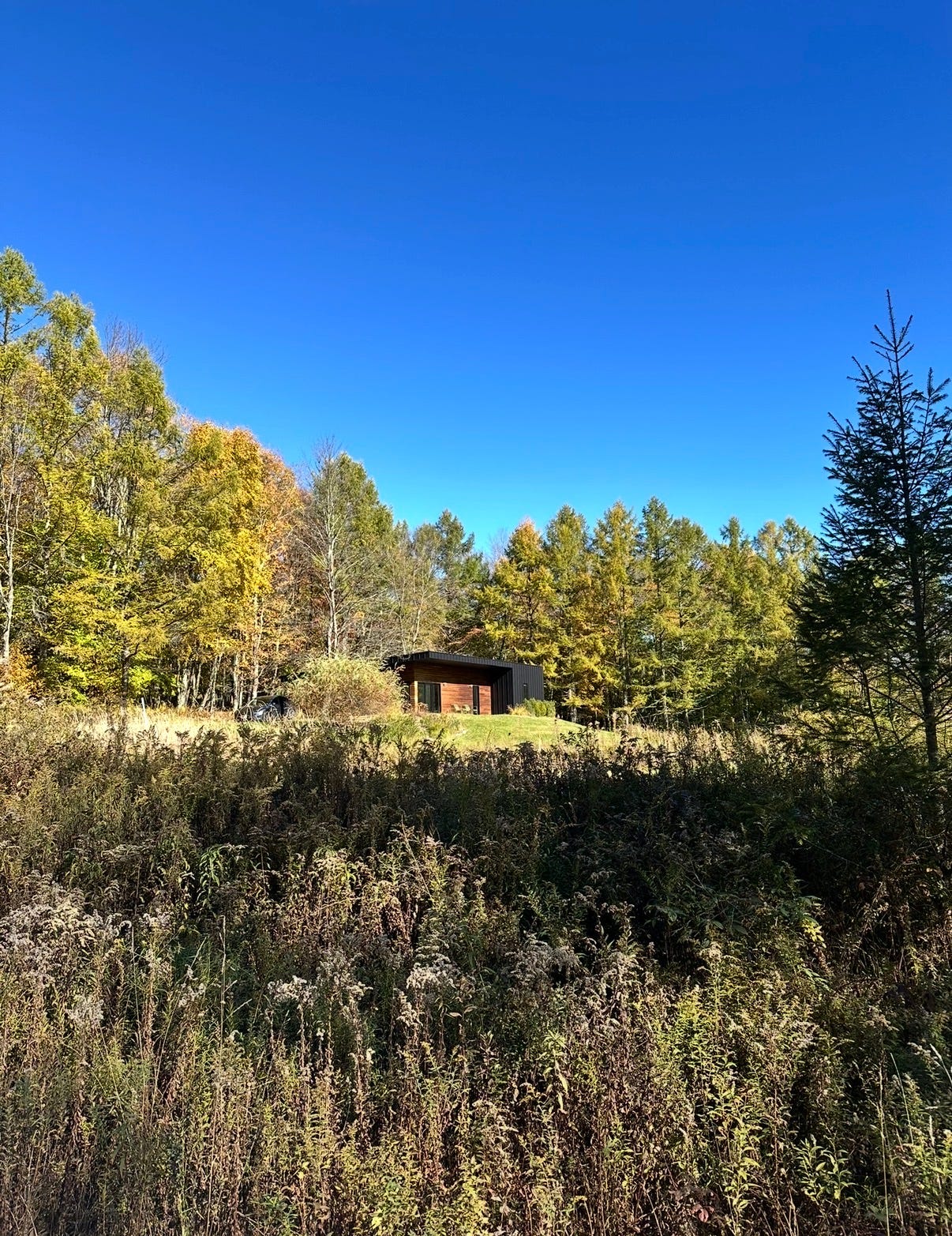
We recently got a little cabin in a rural part of upstate New York (move #27). On our first week, our neighbor, Tim, came by in his tractor to introduce himself and welcome us to the neighborhood.
Tim has a total of four (4) teeth somewhere around the back of his mouth and currently tends to the 40 acres of farmland that was passed down to him by his dad. Our street is named after their bull that got loose for months and was later found at the top of our hill. Despite living 2 hours from the city, Tim has only been to Manhattan once in his life.
I don’t think Tim cares to know what an LLM is or how it’s affecting his neighbors’ ability to discern the truth. Tim is unaware of Sora, OpenAI’s latest deepfake machine and certainly hasn’t vibe coded a solution for his dairy farm. My guess is that Tim probably doesn’t think much about the future. I suspect he wakes up and spends his day reacting to the weather and the essential tasks passed down by his father.
Tim sits still, surrounded by movement.
His way of living is so classic that it almost seems prophetic. It’s a sobering reminder that all this moving tends to lead us to the same place: right back where we started.
That Marcel Proust quote… change the catalyst for growth.
TIL about the Cuban economic/currency system. Thank you for sharing!